
When do you need a 35-40 yard skip?
35-40 Yard Roll On Roll Off Skip Hire: When Do You Need One? When...
Read More
Arrange your free audit
Enter your details below and a member of our team will be in touch to discuss a free site audit.
Alternatively, call us on 0161 764 2000
"*" indicates required fields
Got a question?
"*" indicates required fields
Whats on this page:
Looking to make the most of autumn? You might be planning crisp walks along the coast, with fresh sea air and quieter beaches. But did you know these 4 things could still land you with fines of up to £2,500 if caught?
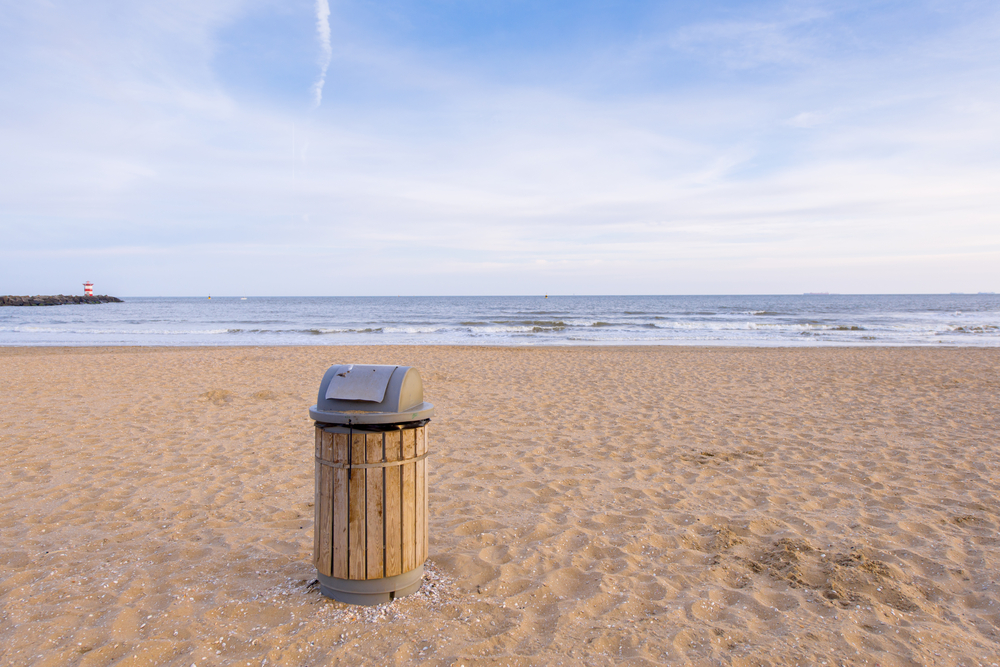
It might sound obvious, but littering is one of the most common offences along UK coastlines, spoiling the natural beauty and threatening local wildlife. Anyone caught leaving rubbish behind could face up to £2,500 in penalty fines if prosecuted. So, always pack a bag for your waste or use nearby bins before you leave. Even the on-the-spot fines that don’t reach court have recently been increased from a maximum of £150 to £500.
A beach barbecue might be a tradition, but it’s important to know that some areas have outright banned disposable grills to protect delicate coastal habitats. Where these bans are in place, you could be fined up to £100 if you’re caught cooking on one. So, check the local rules before lighting up the charcoal. These bans and restrictions are in place for 2 main reasons:
Need a reliable way to deal with waste at home or on site? Trust the experts. Get your free skip hire quote from Wheeldon Brothers today.
It might seem harmless to take home a pebble or two as a souvenir, but under the Coastal Protection Act 1949, removing natural materials from public beaches is illegal. Breaking this law could see you facing fines of up to £1,000!
The law was created in 1949 to combat coastal erosion and protect the UK’s coastline from damage. Shingles and pebbles act as a natural flood defence, absorbing the energy of waves and protecting the land behind them. Removing them can make the coastline more vulnerable to erosion and increase the risk of flooding in coastal communities. Similarly, pebbles and shells offer habitat for various marine life and microorganisms, and removing them can disrupt their local ecosystem.
Camping is prohibited on most UK beaches to prevent antisocial behaviour and protect the environment from waste being left. Restrictions on beaches aren’t covered by one national law. Instead, local councils create bylaws that control activities like camping to protect public spaces.
Many councils also use Public Spaces Protection Orders (PSPOs), which are legal measures designed to reduce antisocial behaviour in public areas. Camping is often banned on beaches (like Dorset Council hope to do) because it can lead to late-night parties, loud noise, and littering – all of which can disturb nearby residents and other visitors.
Setting up a tent, especially below the high tide line, can also be extremely dangerous. Campers risk being cut off by the tide or even being swept out to sea, and fires for cooking or warmth can risk uncontrolled wildfires in areas with dry grass or dunes.
For over 60 years, Wheeldon Brothers have been the go-to waste and skip hire experts in Lancashire and Greater Manchester. With fast drop-offs, reliable collection and a 0% landfill goal, we do everything we can to keep our communities clean. Join thousands of happy homes and businesses who trust us to handle waste the right way. Get your free skip hire quote now!